Table of Contents
- Why Full Roof Replacement Isn't Always Necessary
- Signs a Roof Needs Replacement vs. Repair
- Roof Repair vs. Replacement: Making the Right Call
- Roof Rejuvenation: How It Extends Asphalt Shingle Life
- Roof Inspection Checklist: Know What You're Working With
- Comparing Costs: Alternatives to Full Roof Replacement
- Insurance Documentation and Roof Maintenance
- Frequently Asked Questions
Last Updated: October 12, 2026
Why Full Roof Replacement Isn't Always Necessary
Not every aging roof needs to come down. At Roof Revive LLC, many structurally sound roofs are replaced prematurely.
The best alternative to roof replacement in 2026 depends on your roof's condition, not its age. A 15-year-old roof with granule loss and brittle shingles may still have years of life left, the key is knowing when repair, rejuvenation, or replacement makes sense.
Signs a Roof Needs Replacement vs. Repair
The difference between repair and replacement comes down to structural integrity and the extent of damage.
A roof needs repair when damage is localized and the structure is sound: missing shingles in one area, a few cracked tiles, or minor leaks around flashing, typically 10-20% of the surface.
A roof needs replacement when damage is widespread, the structure is compromised, or repairs would cost more than half the price of a new roof.
The best alternative to roof replacement in 2026 often falls between these extremes.
Roof Repair vs. Replacement: Making the Right Call
Most guides frame this as a simple percentage question: repair under 20% damage, replace over 30%.
Test 2: Extent and pattern of damage. Localized damage, a handful of lifted or missing shingles, a failed pipe boot, worn flashing at a chimney, is repair territory.
Test 3: Deck and structural condition. This is the disqualifier. Soft spots, sagging, spongy footing, or daylight through the sheathing mean the substrate is compromised.
Test 4: Moisture trapped in the assembly. Attic-side evidence matters as much as roof-side evidence.
When a Deferred Option Is Not Appropriate
A repair, coating, or overlay is the wrong call, and a reputable contractor should tell you so, when any of the following is true:
- The deck is soft, rotted, or delaminating. Structural repair comes before any surface treatment.
- There is active or recent moisture intrusion in the attic. Fix the leak source and let the assembly dry before considering anything cosmetic.
- The roof has already been layered. Many jurisdictions limit how many shingle layers a roof may carry, and some codes prohibit a third layer outright. Adding another layer over two existing ones is often not permitted and can void coverage.
- The existing roof is at or past its rated service life. Restoration extends a roof that still has life in it; it does not create life that is not there.
Flat Roofs and Pitched Roofs Are Different Problems
The alternatives that work on a pitched asphalt shingle roof are not the same ones that work on a flat or low-slope roof.
On pitched shingle roofs, the practical deferred options are targeted repair, restoring the shingle mat itself (rejuvenation), and, where code and warranty allow, a new layer over the existing one.
On flat and low-slope roofs, water does not drain off the way it does on a slope, so ponding, seam failure, and membrane blistering drive most problems.
A Practical Decision Sequence
Work through the roof in this order, and the answer usually becomes obvious:
- Inspect the attic first. Look for staining, damp insulation, and rusted fasteners. This tells you whether moisture is already inside the assembly.
- Walk the roof and probe the deck. Soft spots and sagging end the conversation about deferred options.
- Map the damage. Note how many slopes are affected and whether the same area has been repaired before.
- Check the age against the manufacturer's rating. Compare actual years in service to the rated lifespan, adjusted for local climate exposure.
- Confirm code and warranty constraints. Call the building department and read the warranty. These two calls eliminate most bad decisions.
- Price the options side by side, then divide by expected years of remaining life. The lowest upfront number is rarely the lowest cost per year.
If the roof passes all four tests, sound deck, dry assembly, moderate non-structural damage, and enough remaining life, a deferred option is worth pricing. If it fails any one, replacement is the more economical choice even though the sticker price is higher.
The best alternative to roof replacement in 2026 is not a product. It is an honest assessment of which of these four tests your roof passes, followed by the option that matches the result.
Roof Rejuvenation: How It Extends Asphalt Shingle Life
Asphalt shingles age through two mechanisms: oil loss and granule erosion.
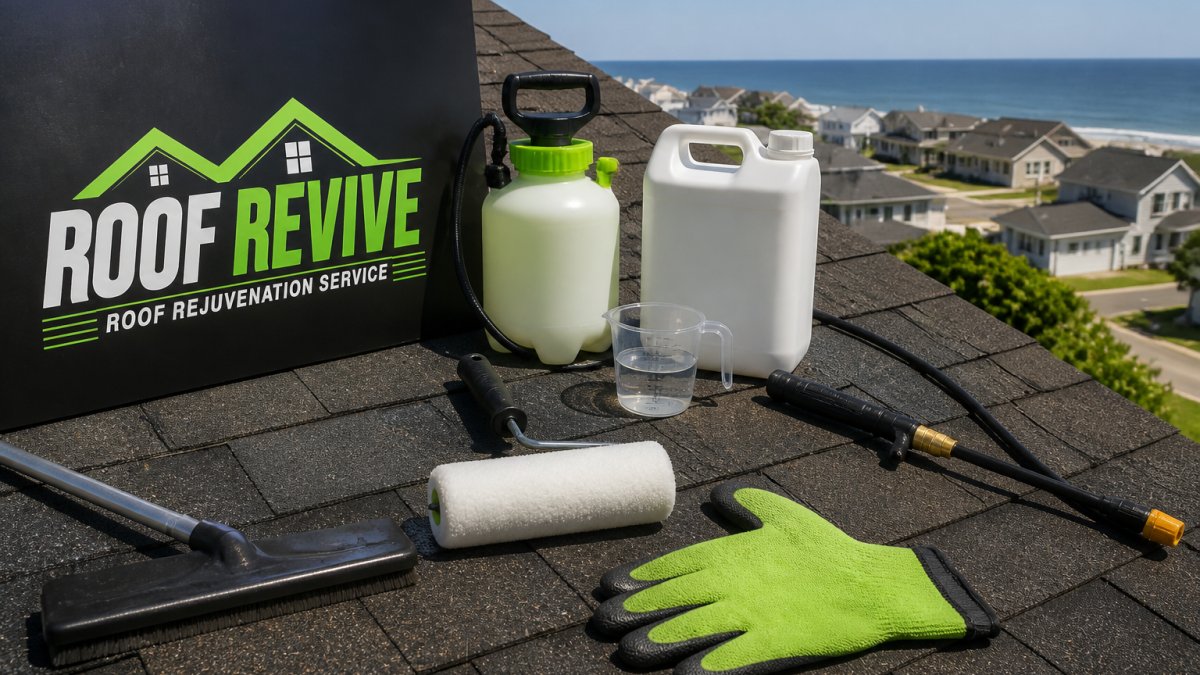
Rejuvenation addresses both. A bio-based treatment like Roof Revive LLC's GreenSoy™ formula restores lost oils, returning flexibility to brittle shingles, and seals loose granules in place to prevent further erosion.
The treatment penetrates the shingle surface, restoring the binding properties UV exposure and weathering have degraded, which stops the deterioration cycle.
Rejuvenation works best on roofs 10-18 years old with moderate wear and no structural damage.
How Long Does Roof Rejuvenation Last?
Roof rejuvenation extends roof life by 6 to 18 years, depending on starting condition, climate exposure, and maintenance.
The treatment doesn't reset the clock to zero, it halts deterioration and restores function, letting the roof continue aging more slowly.
Salt air exposure in coastal areas accelerates roof aging, but it also makes rejuvenation more valuable. Coastal homes stand to gain tremendously from the rejuvenation treatment, holding off costly replacement costs by years.
Roof Inspection Checklist: Know What You're Working With
Before deciding on repair, rejuvenation, or replacement, you need accurate data on your roof's actual condition. A professional inspection using modern tools provides the clarity to make the right choice.
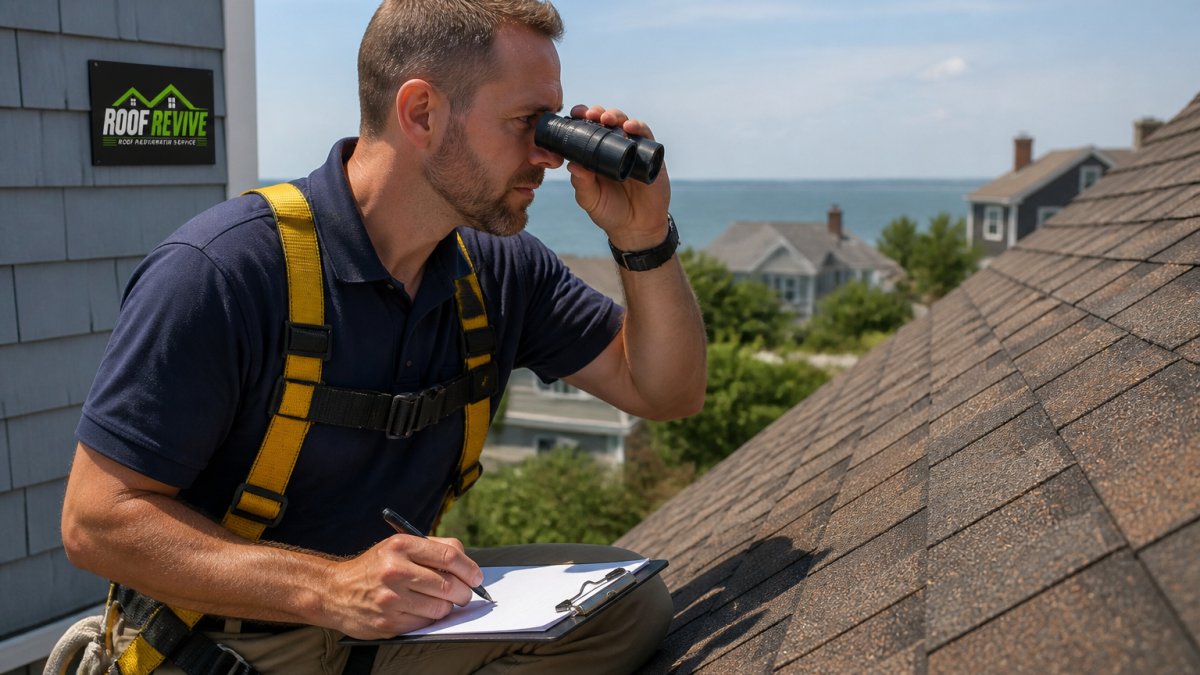
Licensed professionals use satellite measurements and drone imagery to assess roof condition thoroughly, capturing details visible only from above and providing documented evidence for insurance claims or warranty decisions. A comprehensive inspection should cover:
- Granule loss and erosion: Check for bald spots, exposed asphalt, or areas where the protective mineral coating has worn away
- Shingle brittleness and cracking: Look for shingles that crack easily when bent or show signs of UV damage
- Curling or cupping: Edges that curl upward or centers that cup indicate age-related deterioration
- Flashing condition: Examine areas around vents, chimneys, and valleys where leaks commonly start
- Deck integrity: Soft spots, sagging, or signs of water damage indicate structural issues
A thorough inspection determines whether the roof qualifies for rejuvenation or requires repair or replacement. This is the critical first step in choosing the best alternative to roof replacement in 2026.
Comparing Costs: Alternatives to Full Roof Replacement
Here is what each option actually involves, what drives the price up or down, and how to compare them on a per-year basis rather than a sticker-price basis.
What Drives the Price of Any Roofing Option
Every estimate, repair, restoration, or replacement, is built from the same handful of variables. Knowing them lets you sanity-check any quote:
- Roof size and complexity. Measured in squares (100 square feet each). More squares means more material and more labor. Hips, valleys, dormers, skylights, and multiple roof levels all add labor time and waste.
- Pitch and access. Steep roofs require fall-protection setup and slower work. Limited access, narrow side yards, landscaping, power lines, or a roof that cannot be reached with a truck-mounted conveyor, adds handling time.
- Number of existing layers. One layer is straightforward. Two layers mean more tear-off weight and disposal. Three layers may not be permitted at all in some jurisdictions.
- Deck condition. Replacing rotted sheathing is priced per sheet and is often discovered only after tear-off begins. This is the single most common source of estimate overruns.
- Material selection. Architectural shingles, synthetic underlayment, and ice-and-water membrane at eaves and valleys all carry different price points than builder-grade materials.
How the Options Compare
| Option | Typical Scope | Time on Site | What It Buys You |
|---|---|---|---|
| Targeted repair | Isolated damage: flashing, boots, a few shingles | A few hours to a day | Fixes the immediate problem; does not address overall roof aging |
| Restoration treatment | Structurally sound roof with moderate wear | Typically one day | Restores shingle flexibility and seals granules; documented maintenance record |
| Overlay (where permitted) | Sound deck, within local layer limits | One to three days | New surface without tear-off; adds weight and can complicate future work |
| Full replacement | Widespread damage, failed deck, or end of service life | Several days to two weeks | New roof system with a fresh manufacturer warranty |
Exact pricing depends on the variables above, so any responsible estimate starts with an inspection. What you can compare today is the shape of the cost: repairs are the smallest line item but most likely to recur; restoration is a mid-range, one-time investment that extends the roof you already have; overlays sit between restoration and replacement; replacement is the largest expense but resets the clock completely.
The Cost-Per-Year Method
The only fair way to compare options with different lifespans is to divide cost by years of service.
Take a roof with moderate wear and a sound deck.
Do this calculation with real numbers from real quotes, not with rules of thumb. Ask each contractor for the expected service life of the work they are proposing, in writing, and use that figure in the denominator.
Where Restoration Fits on the Cost Curve
Restoration is designed for the middle of a roof's life, not the end. On a structurally sound roof showing age-related wear, granule loss, brittleness, fading, a professional treatment addresses the two mechanisms that drive shingle decline: loss of flexibility and erosion of the granule layer.
That is why restoration typically lands well below replacement on the cost curve while still producing a documented, warrantied result.
Documentation Has Its Own Value
There is a cost line that does not appear on any estimate: insurability.
When you request quotes, ask each contractor what documentation you will receive at completion. On a roof that is a candidate for restoration, that paperwork is part of what you are paying for.
The best alternative to roof replacement in 2026 is the option that passes the eligibility tests, fits your roof type, and delivers the lowest cost per year of remaining service, with the paperwork to prove it was done right.
Insurance Documentation and Roof Maintenance
Insurance carriers increasingly require proof of ongoing maintenance for aging roofs.
Rejuvenation provides this documentation. Professional treatment includes before-and-after photos, lab-tested results, and a 6-year transferable warranty, demonstrating to carriers that the roof has been professionally restored and maintained.
Regular maintenance records, including professional inspections and rejuvenation treatment, show insurers the roof is actively managed.
The decision to replace your roof shouldn't be driven by age alone.
Frequently Asked Questions
What makes roof rejuvenation a better alternative to roof replacement?
Roof rejuvenation restores flexibility to aging asphalt shingles and seals granules in place, extending roof life significantly at a fraction of replacement costs. Unlike temporary patches, science-backed rejuvenation treatments like GreenSoy™ are lab-tested and provide documented proof of maintenance, crucial when insurance carriers question roof age. The process completes in a single day with no disruption to your home.
How long does roof rejuvenation last, and will I get the full benefit on an older roof?
Roof rejuvenation can extend roof life by 6 to 18 years, depending on roof condition, age, and climate exposure. Older roofs still benefit substantially; the treatment restores lost oils and prevents further granule loss, buying significant time before replacement becomes necessary. A professional inspection determines realistic lifespan for your specific roof.
How do I know if my roof needs replacement or just repair and maintenance?
Inspect for active leaks, widespread granule loss, sagging deck, or multiple damaged areas across the roof. If your roof is structurally sound but showing age and brittleness, rejuvenation or targeted repairs extend life. Full replacement is unavoidable only when the deck is compromised, leaks are widespread, or repairs would exceed 50% of replacement cost. A licensed professional inspection provides clarity.
Will roof rejuvenation help me with insurance non-renewal or coverage issues?
Yes. Rejuvenation treatment provides documented, lab-tested proof of active maintenance, exactly what insurance carriers want to see. You receive full before-and-after photos and professional assessment records, which satisfy underwriting requirements for roof age and condition. This documentation can help you maintain coverage or appeal non-renewal decisions.