Table of Contents
- Can You Rejuvenate a 15 Year Old Roof? The Honest Answer
- How to Verify Your Roof Is Eligible Before You Pay
- Does Roof Rejuvenation Work, and What Does the Evidence Show?
- Roof Rejuvenation Cost: What Drives the Price
- How Long Does Roof Rejuvenation Last on a 15-Year-Old Roof?
- Roof Rejuvenation vs Roof Replacement: Which Fits Your Situation?
- Warranty, Insurance, and Resale: What Happens After Treatment
- When Rejuvenation Is the Wrong Choice
- Frequently Asked Questions
Last Updated: October 6, 2026
Can You Rejuvenate a 15 Year Old Roof? The Honest Answer
Yes, you can often rejuvenate a 15 year old roof, but only if the shingles are still structurally sound.
At Roof Revive LLC, we evaluate roofs every week that sit right in this age range. Some qualify. Some do not.
A roof at 15 years is roughly halfway through a typical 20 to 30 year asphalt shingle lifespan, according to asphalt shingle lifespan guidance from the Asphalt Roofing Manufacturers Association.
Below, we break down what rejuvenation does, how to check your roof before you pay for anything, and when replacement is the smarter call.
What Roof Rejuvenation Actually Does to Asphalt Shingles
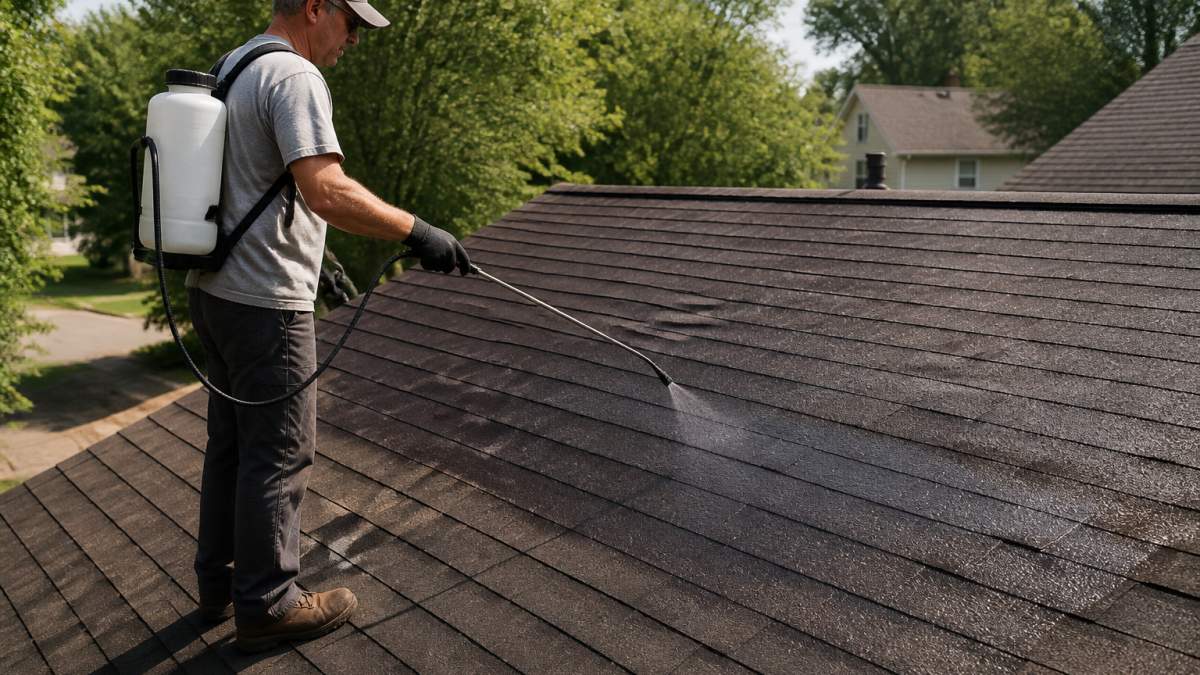
Roof rejuvenation is a treatment that applies a bio-based oil blend to asphalt shingles to restore lost flexibility and slow granule loss. Asphalt shingles dry out over time from sun exposure and weather.
Once shingles turn brittle, they crack and shed granules faster. Rejuvenation puts those oils back. We use a plant-derived GreenSoy™ treatment that soaks into the shingle surface and helps granules re-adhere.
What it does not do:
- It cannot repair cracked, curled, or missing shingles
- It cannot fix leaks or damaged roof decking
- It cannot undo water damage under the shingles
Think of it as maintenance, not repair. A roof that is worn but not broken is the right candidate.
How to Verify Your Roof Is Eligible Before You Pay
Eligibility comes down to three things: shingle condition, roof age, and whether the roof system has hidden damage. A reputable provider should assess all three before quoting you.
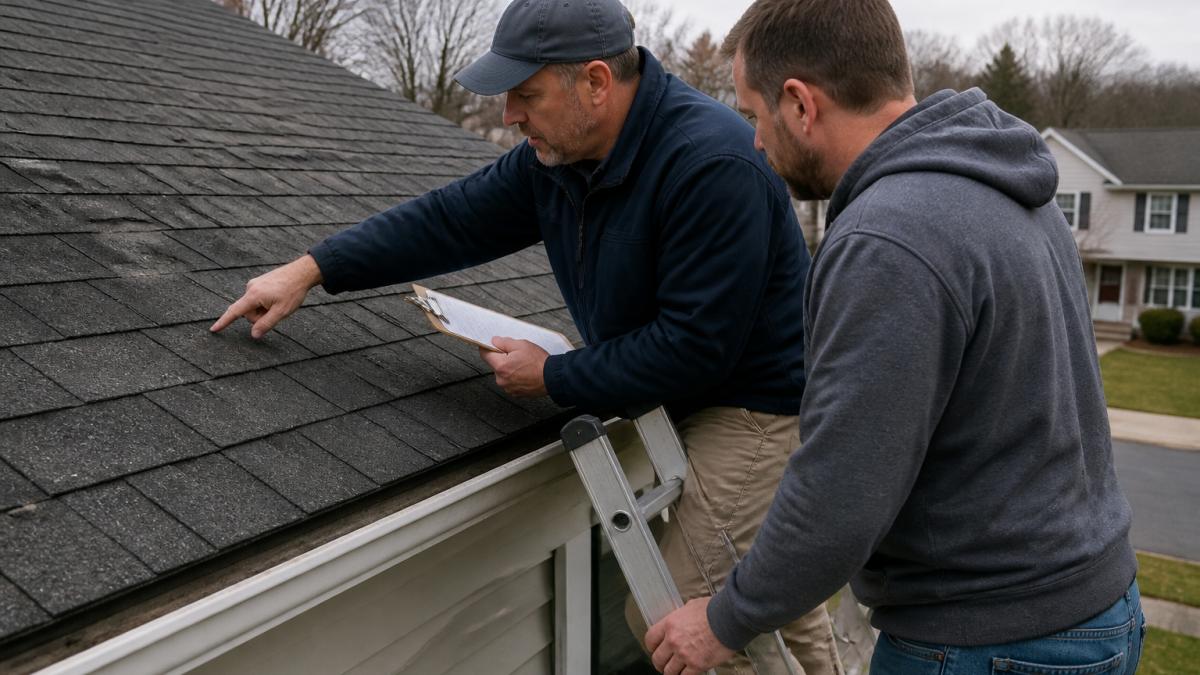
At Roof Revive LLC, we use satellite measurements and drone imaging to get an accurate read on your roof before anyone climbs up. That gives you a real proposal, not a guess.
A Step-by-Step Inspection Checklist for Homeowners
Run through this list before you call anyone:
- Check shingle color from the ground. Faded, gray shingles suggest oxidation.
- Look for granules collecting in gutters or at downspout outlets.
- Scan for missing, curling, or cracked shingles on south- and west-facing slopes.
If you see granule loss and fading but no cracks or leaks, you are likely a candidate. If you see missing shingles or active leaks, get a repair or replacement quote first.
Does Roof Rejuvenation Work, and What Does the Evidence Show?
The short answer: it works on eligible roofs, and the results are measurable. Independent PRI laboratory testing backs how the treatment restores shingle flexibility.
But here is the part most guides skip. Rejuvenation is not a cure-all, and any provider who promises it will fix every roof is not being straight with you.
What we see in practice:
- Treated roofs shed fewer granules after treatment
- Shingles stay more flexible, which slows cracking
- The roof holds up better through freeze-thaw cycles common in the Mid-Atlantic
What we cannot promise:
- That a roof with existing damage will improve
- That treatment extends life on a roof already past its service window
Honest assessments matter more than sales pitches here.
Roof Rejuvenation Cost: What Drives the Price
Roof rejuvenation cost depends on roof size, slope, accessibility, and how many sections need treatment. Pricing varies by provider and by home. What most guides skip is how to actually compare a rejuvenation quote against a repair quote and a replacement quote, using the same roof measurements.
Here is the framework we use when a homeowner asks whether treatment is worth it.
The Four Variables That Move the Price
- Roof size (measured in squares). One square equals 100 square feet of roof surface. A typical single-family home runs 20 to 35 squares. Treatment is priced per square, so size is the biggest single driver.
- Pitch and accessibility. A steep roof or one with multiple dormers, valleys, and chimneys takes longer to treat and requires more fall protection. Low-slope and simple gable roofs cost less per square.
- Number of treatment passes. Heavily oxidized shingles may need a second application to absorb the oil blend evenly. A roof in better condition may need only one.
- Prep work. Replacing a handful of cracked shingles, re-sealing flashing, or clearing debris before treatment adds labor. Skipping prep on a roof that needs it wastes the treatment.
How the Three Options Compare on the Same Roof
Instead of quoting a flat rate, ask each contractor to price the same scope. A transparent comparison looks like this:
| Option | What You Are Buying | Typical Relative Cost | Expected Outcome |
|---|---|---|---|
| Targeted repair | Fixing specific damaged shingles or flashing | Lowest | Stops a specific problem; does not slow aging elsewhere |
| Rejuvenation | Restoring flexibility across the whole roof | Middle | Slows granule loss and cracking on eligible shingles |
| Full replacement | Tear-off and new roof system | Highest | Resets the clock on the entire roof assembly |
A full roof replacement on a typical home often runs well into five figures once tear-off, underlayment, flashing, and disposal are included. Rejuvenation is a fraction of that, but it is not free, and it is not a substitute for replacement on a failed roof. The honest question is not "which is cheapest" but "which matches my roof's actual condition."
Questions to Ask Before You Sign
- Is the quote based on measured squares or a guess?
- Does the price include prep work like shingle repair and flashing checks?
- Is a second application included if the first does not fully absorb?
If a provider will not answer these in writing, the price is not comparable to a real quote.
Call Roof Revive LLC for a current quote based on your roof's actual measurements, with the scope spelled out line by line.
How Long Does Roof Rejuvenation Last on a 15-Year-Old Roof?
How long roof rejuvenation lasts depends on the roof's starting condition and the climate it faces. On a qualifying roof, the treatment can add up to 18 years of service life. That number is not a guarantee for every roof, and understanding why it varies is more useful than memorizing a single figure.
What Actually Determines How Long It Lasts
- Starting flexibility. A roof at 15 years with mild wear has more oil left in the shingle mat than one at 25 years with heavy granule loss. More remaining flexibility means more benefit from treatment.
- Granule retention. Granules shield the asphalt from UV. A roof that has already lost most of its granules has less protection left, so results fade faster.
- Sun exposure. South- and west-facing slopes take more UV and heat. They age faster and may need monitoring sooner than shaded slopes.
What Happens After Treatment
Rejuvenation is maintenance, not a one-time fix. After treatment, the roof still ages, just more slowly. A practical follow-up schedule looks like this:
- First 30 days: Check gutters and downspout outlets for granule accumulation. A small amount is normal as loose granules wash off.
- Every 6 months: Walk the perimeter and scan for new curling, cracking, or missing shingles, especially after storms.
- Annually: Inspect attic ceilings and rafters for water stains, and check flashing around chimneys, vents, and skylights.
- Every 2 to 3 years: Have a professional re-inspect, particularly if the roof is past 20 years old.
Keep a simple log of dates, observations, and photos. That record is what supports a warranty claim and what reassures a buyer at resale.
Warranty and Documentation
Our GreenSoy™ treatment comes with a 6-year transferable warranty. That warranty moves with the house if you sell. The warranty covers the treatment itself, not pre-existing damage or unrelated roof-system failures, so read the terms before you rely on it.
When to Re-Inspect or Repair Instead
If you see new missing shingles, active leaks, or soft spots after treatment, stop monitoring and get a repair or replacement quote. Treatment slowed the aging process; it did not make the roof immune to damage. Knowing when to switch from maintenance to repair is the difference between protecting your investment and throwing money at a roof that has reached the end of its service life.
Roof Rejuvenation vs Roof Replacement: Which Fits Your Situation?
Roof rejuvenation vs roof replacement is not a coin flip. It comes down to whether your roof system is sound.
| Situation | Best Option | Why |
|---|---|---|
| Sound shingles, granule loss, no leaks | Rejuvenation | Restores flexibility, delays replacement |
| A few damaged shingles, rest is fine | Targeted repair, then rejuvenation | Fixes the weak spots first |
| Widespread cracking or curling | Replacement | Shingles are past saving |
| Active leaks or decking damage | Replacement | Damage is below the surface |
| Roof already past 25 years | Replacement | Little service life left to extend |
If your roof is structurally sound and simply aging, rejuvenation is the cost-effective path. If the roof system has failed, replacement is the honest answer.
Warranty, Insurance, and Resale: What Happens After Treatment
Documentation is where rejuvenation earns its keep beyond the shingles themselves. Many insurance carriers flag aging roofs, and some send non-renewal letters based on age alone.
A documented maintenance record can help. We provide full before-and-after photo documentation with every job. That gives you proof of upkeep if your carrier asks.
On resale, a transferable warranty and a documented treatment history give buyers confidence. It shows the roof has been maintained, not ignored.
When Rejuvenation Is the Wrong Choice
Rejuvenation is the wrong call when the roof system is already failing. If you see any of these, skip treatment and get a replacement quote:
- Missing or torn shingles across multiple areas
- Shingles that snap instead of bend when lifted
- Active leaks or water stains on attic framing
- Soft spots or sagging roof decking
Treating a roof in this condition just delays the inevitable and costs you money you could put toward replacement.
A 15 year old roof does not have to mean a five-figure replacement bill. If your shingles are sound and simply aging, treatment can add years of service life for a fraction of the cost. Roof Revive LLC uses a USDA-certified, plant-derived GreenSoy™ treatment, backed by independent PRI lab testing, a 6-year transferable warranty, and full before-and-after documentation.
Frequently Asked Questions
Is a 15 year old roof considered old?
For asphalt shingles, 15 years sits in the back half of the typical 15 to 30 year range, but age alone does not decide anything. A roof that has lost granules, gone brittle, or started curling is aging faster than its calendar suggests. A 15 year old roof that still has flexible shingles, intact granules, and no leaks is often a strong candidate for rejuvenation rather than replacement.
Does roof rejuvenation actually work, or is it just a temporary band-aid?
Lab testing shows that bio-based treatments can restore flexibility to dried-out asphalt shingles and help granules re-adhere, which slows further deterioration. The limits matter too: rejuvenation cannot fix missing shingles, active leaks, damaged decking, or failed underlayment. When a roof qualifies, treatment is a maintenance step that extends remaining service life, not a repair for existing damage.
How much does roof rejuvenation cost compared with replacement?
Rejuvenation pricing depends on roof size, pitch, and condition, so get a written quote for your specific roof. Full replacement can be a significant investment, while treatment is a fraction of that figure. The cost-effectiveness question is simple: if treatment buys you years of additional service life on a structurally sound roof, the per-year cost is far lower than replacing early.
How long does roof rejuvenation last on a roof that is already 15 years old?
Manufacturers and contractors describe life extension in terms of added years, not a reset to new. On a 15 year old roof, a realistic expectation is several additional years of service, with some treated roofs lasting longer depending on sun exposure, ventilation, and attic moisture. Because an older roof has less remaining flexibility, the added time is usually shorter than what a newer roof would gain.