Table of Contents
- Cost of Roof Replacement 2026: What Homeowners Actually Pay
- Roof Replacement Cost Per Square Foot: Breaking Down the Numbers
- Average Cost to Replace a Roof on a 2,000-Square-Foot House
- Roof Replacement Estimate Checklist: What to Compare in Every Quote
- Roof Repair vs. Replacement Cost: When Repair Wins
- Roofing Materials and Labor: Where Your Money Goes
- How to Lower the Cost of Roof Replacement in 2026
- Conclusion: Make the Right Call for Your Roof
- Frequently Asked Questions
Last Updated: October 4, 2026
Cost of Roof Replacement 2026: What Homeowners Actually Pay
The cost of roof replacement 2026 sits between $10,000 and $30,000 for most homes, and that range is wide for a reason. Size, pitch, material, and tear-off all move the number. At Roof Revive LLC, we inspect roofs across Delaware, Northeast Maryland, and Southern Pennsylvania, and we see the same pattern: many quotes come in high for roofs that still have life left.
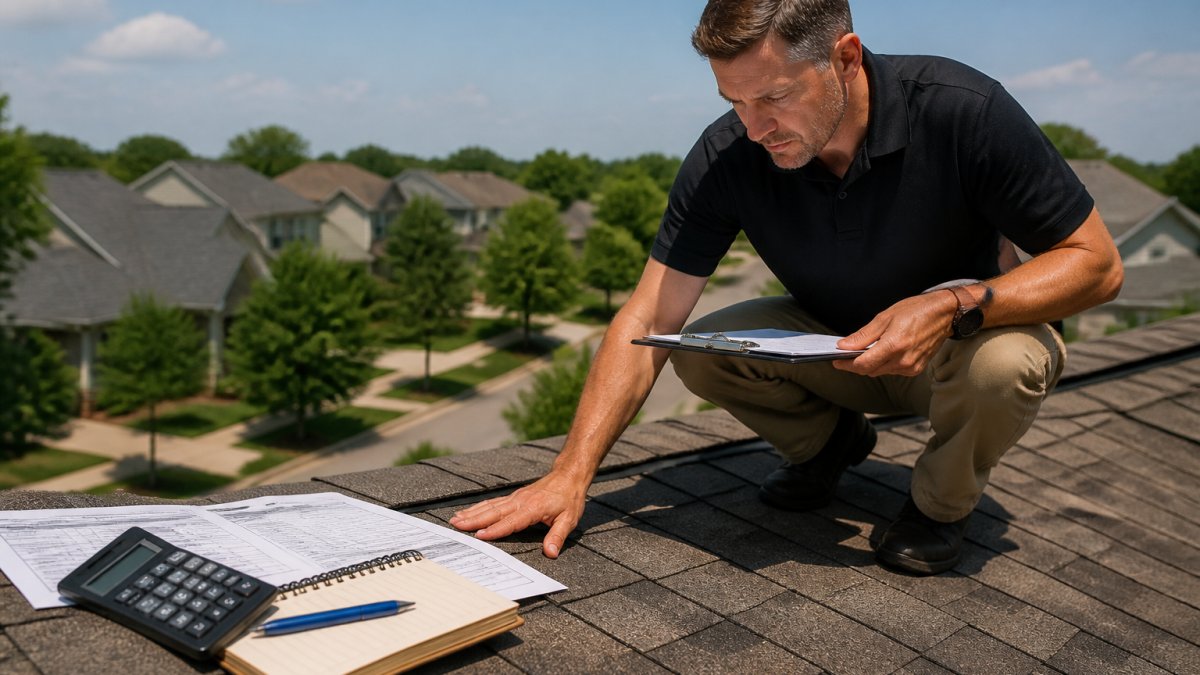
Here is what matters most. A full replacement is not always the right answer. A roof with good structure but dried-out shingles may qualify for restoration instead.
Contractors price jobs by the roofing square, which covers 100 square feet of roof surface. A simple ranch home might need 20 squares. A steep, cut-up roof of the same footprint can need 30 or more.
That gap explains why two neighbors with similar houses get very different bids. Pitch, valleys, chimneys, and dormers all add labor and material.
Roof Replacement Cost Per Square Foot: Breaking Down the Numbers
Roof replacement cost per square foot usually falls between $4 and $8 for asphalt shingles, installed. That figure includes materials, labor, and basic cleanup. But a per-square-foot number on its own does not tell you what you are paying for, and that is where most homeowners get surprised.
Here is how the pieces stack up on a typical asphalt shingle job, expressed as a share of the total bill rather than a fixed dollar figure, because actual amounts shift with roof size, pitch, and market:
- Materials (shingles, underlayment, flashing, fasteners): the largest single line, and the one that swings most with material choice
- Labor (removal, deck prep, installation): roughly a third to nearly half of the total on a straightforward roof, and more on steep or cut-up roofs
- Tear-off: removing the old roof, often a separate line item rather than baked into the per-square rate
- Disposal: dumpster rental and landfill fees, which vary by local tipping charges
- Permits and inspection: required in most jurisdictions and rarely included in a verbal estimate
- Decking and structural repair: usually excluded from the base bid and priced per sheet or per hour once the roof is open
Material choice drives the biggest swing. Asphalt shingles sit at the low end. Metal, tile, and slate push cost per square foot much higher, often several times the asphalt rate before labor is added.
Roof pitch matters too. A low-slope or shed roof is faster to walk and safer to work on. Steep pitches slow crews down and raise labor costs. So does roof shape: a simple gable prices out very differently from a hip roof with multiple valleys, dormers, and chimneys, even when the two roofs cover the same square footage.
NRCA consumer resources on roofing systems and installation
Average Cost to Replace a Roof on a 2,000-Square-Foot House
The average cost to replace a roof on a 2,000-square-foot house lands in the middle of the national range, but the roof's actual surface area is what gets priced. A 2,000-square-foot home often has 2,200 to 2,600 square feet of roof once pitch and overhangs are counted.
That equals roughly 22 to 26 squares. Multiply by the per-square rate and you get the base bid.
Watch for these commonly overlooked charges:
- Decking replacement if plywood is soft or rotted
- New flashing around chimneys and vents
- Ice and water shield in cold-climate zones
- Ventilation upgrades to meet current code
- Structural repairs to rafters or fascia
These items can add thousands to a quote. A transparent contractor lists them up front.
Roof Replacement Estimate Checklist: What to Compare in Every Quote
A roof replacement estimate checklist keeps you from comparing apples to oranges. Bids that look similar on the total line often differ in scope.
Use this checklist on every quote you receive:
- Is tear-off and disposal included, or extra?
- What underlayment and flashing are specified?
- Is decking repair priced per sheet or as a flat fee?
- Does the bid include permits and final inspection?
- What warranty covers materials, and what covers labor?
- Is the warranty transferable if you sell the home?
- Are ventilation and ice shield included?
- Is there a written project timeline?
Ask each contractor to explain any line you do not understand. A good bid reads like a clear plan, not a single lump sum.
Roof Repair vs. Replacement Cost: When Repair Wins
Roof repair vs. replacement cost is not a close call when the damage is small. A localized leak, a few missing shingles, or damaged flashing is a repair, not a replacement.
Replacement wins when the roof shows widespread failure. Look for:
- Granules collecting in gutters
- Shingles that crack or curl across the whole roof
- Multiple leaks in different areas
- Soft or sagging decking
- A roof past its expected service life
Between those two poles sits a third option many homeowners never hear about. A structurally sound roof with dried-out shingles can often be restored rather than replaced.
Restoration adds years to a roof at a fraction of replacement cost. It works best on asphalt shingle roofs that are aging but not failing.
Roofing Materials and Labor: Where Your Money Goes
Roofing materials and labor split most of every roofing bill, and labor is the part homeowners underestimate. Materials are easy to price. Labor depends on crew speed, roof access, and safety needs.
Material choice is the single biggest lever on total cost. Here is how the common options compare on the dimensions that actually matter:
- Asphalt shingles (3-tab): lowest upfront cost, shortest lifespan, most common on budget-driven jobs
- Architectural shingles: thicker and heavier than 3-tab, moderate cost, longer service life, and the default choice on most residential replacements today
- Metal (standing seam and corrugated): higher upfront cost, very long service life, and lower long-term maintenance in many climates
- Tile (clay and concrete): high upfront cost, very long lifespan, but heavy, some homes need structural reinforcement before installation
- Slate: highest upfront cost and longest lifespan, typically reserved for historic or high-end homes
Lifespan matters as much as sticker price. A cheaper material that needs replacing sooner can cost more per year of service than a premium material that lasts decades. That is the trade-off worth calculating before you choose.
Labor climbs with roof complexity. Steep pitches, multiple stories, and tight lots all slow the job. So does a roof with many penetrations, like skylights and vents. A simple gable roof on a single-story home is the fastest, cheapest configuration to install; a steep, multi-story roof with dormers and valleys is the slowest and most expensive.
Regional pricing plays a role too. Local wages, permit fees, and disposal costs shift the total from one market to the next. Two identical roofs in different metros can land thousands of dollars apart for reasons that have nothing to do with the roof itself.
DOE guidance on roofing and home energy efficiency
How to Lower the Cost of Roof Replacement in 2026
You can lower the cost of roof replacement 2026 with a few practical moves. The biggest one is timing.
- Get at least three written bids
- Schedule in the off-season when crews are less busy
- Choose asphalt shingles over premium materials if budget is tight
- Bundle repairs with other exterior work to save on mobilization
- Ask about financing or payment plans
- Maintain the roof you have to delay replacement
That last point deserves attention. Documented maintenance helps roofs last longer and can satisfy insurance carrier requirements. Many homeowners face non-renewal letters because of roof age, not roof condition.
At Roof Revive LLC, we use satellite measurements and drone imaging to assess a roof before recommending anything. Our GreenSoy™ treatment is a USDA-certified, plant-derived product that restores oils and seals granules. It can add up to 18 years of roof life, backed by a 6-year transferable warranty and independent PRI lab testing.
Conclusion: Make the Right Call for Your Roof
The real challenge is not finding a price. It is knowing whether you need a new roof at all. Replacement runs $10,000 to $30,000, and many of those roofs do not need it yet. A restoration-first approach can save thousands and still give you documented proof of maintenance for your insurer. Roof Revive LLC offers free inspections using drone and satellite tools, honest assessments, and a 6-year transferable warranty on our GreenSoy™ treatment. Book your free inspection and find out if your roof qualifies.
Frequently Asked Questions
Will roofing prices increase in 2026?
Material costs and labor rates have climbed steadily, and 2026 pricing reflects that. Asphalt shingles, the most common roofing material, are tied to petroleum and transportation costs, so prices can shift through the year. Getting multiple quotes and locking in a contractor early can help you avoid seasonal spikes. If your roof is structurally sound, a rejuvenation treatment can delay replacement and shield you from future price increases.
What is the average cost to replace a roof on a 2,000-square-foot home?
For a 2,000-square-foot house, the roof surface is often 2,200 to 2,600 square feet once you account for pitch and overhangs. At typical 2026 rates, asphalt shingle replacement generally runs between $10,000 and $20,000, while metal or tile can exceed $30,000. Your exact quote depends on roof complexity, local labor rates, and whether a tear-off is needed. Always compare at least three itemized estimates.
Is $30,000 too much for a roof?
It depends on the material, size, and complexity. A 3,000-square-foot home with a steep, cut-up roof and standing-seam metal or natural slate can legitimately reach $30,000 or more. For a simple asphalt shingle roof on a 2,000-square-foot house, that number is high. Ask for a line-item breakdown of materials, labor, tear-off, and disposal so you can see where the money is going.
Are there tax credits for new roofs?
Federal tax credits may apply to certain energy-efficient roofing products, such as reflective shingles or metal roofs with specific solar reflectance ratings. Credits are typically a percentage of material cost, not labor. Check current IRS guidelines and manufacturer certifications before assuming eligibility. State or utility incentives may also exist, so ask your contractor for documentation.