Table of Contents
- Step 1: Understand What Roof Rejuvenation Is (and Isn't)
- Step 2: Can You Rejuvenate a 15-Year-Old Roof?
- Step 3: Get a Professional Asphalt Shingle Roof Inspection
- Step 4: Run the Homeowner Qualification Checklist
- Step 5: Rule Out Disqualifying Conditions
- Step 6: The Roof Rejuvenation Process, Start to Finish
- Step 7: How Long Does Roof Rejuvenation Last?
- Conclusion: Book a Free Inspection Before You Replace
- Frequently Asked Questions
Last Updated: October 17, 2026
Step 1: Understand What Roof Rejuvenation Is (and Isn't)
Roof rejuvenation is a treatment that restores lost oils to asphalt shingles so they regain flexibility and hold their granules longer.
Here's the key distinction. A rejuvenation treatment addresses shingles that are drying out but still structurally sound.
The treatment itself is a bio-based, plant-derived product.
- What it does: restores shingle flexibility and slows granule loss
- What it doesn't do: fix damage, seal leaks, or replace worn shingles
- Who it's for: roofs with solid structure but aging, drying shingles
The Asphalt Roofing Manufacturers Association notes that granule loss and shingle brittleness are normal signs of aging.
Step 2: Can You Rejuvenate a 15-Year-Old Roof?
Yes, in many cases you can rejuvenate a 15-year-old roof, but age alone doesn't decide it. Condition decides it.
Most asphalt shingles carry a 20- to 30-year rating.
But a 15-year-old roof near the coast faces more weather exposure. Salt air, sun, and storms speed up oil depletion.
We look at three things before saying yes:
- How much granule loss the shingles show
- Whether shingles are curling, cracking, or brittle
- Whether the roof has any leaks or soft spots
A roof at 15 years with light granule loss is a strong candidate.
Step 3: Get a Professional Asphalt Shingle Roof Inspection
An asphalt shingle roof inspection is the only reliable way to know if your roof qualifies. A trained eye on the roof beats a guess from the driveway every time.
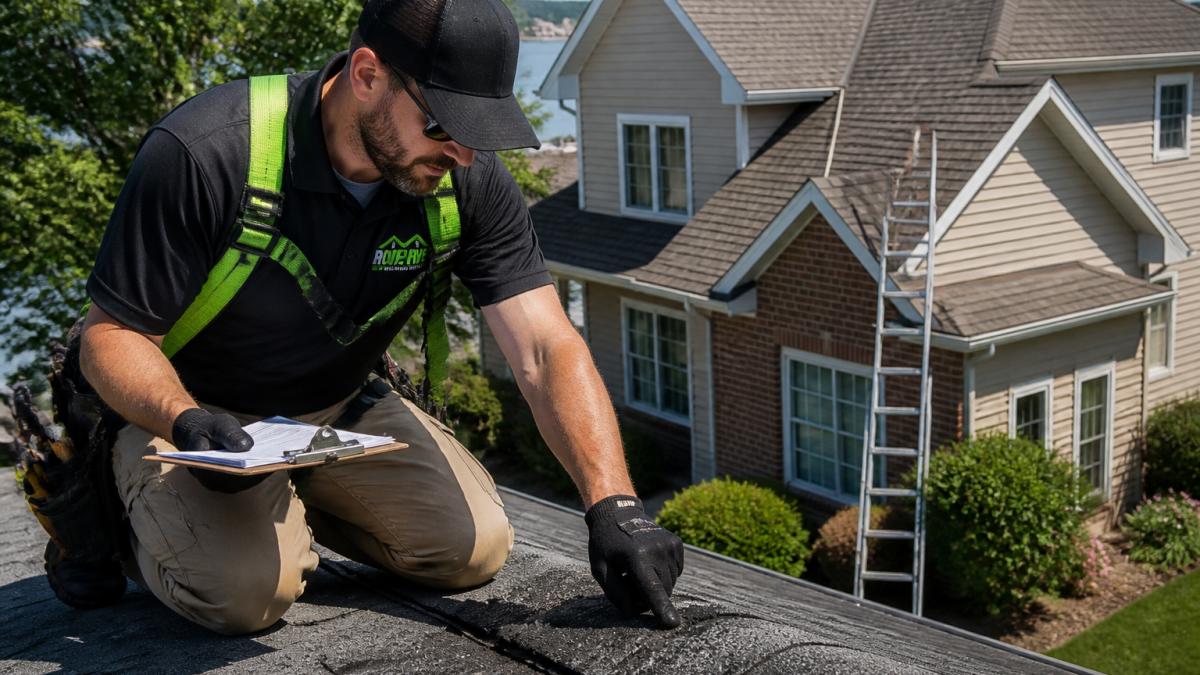
At Roof Revive, we use satellite measurements and drones to get accurate dimensions. That means a fair, precise proposal instead of a rough estimate. A proper inspection also documents what we find, which matters later for insurance.
What a Qualifying Inspection Should Include
A qualifying inspection looks at more than a quick glance. It should cover the whole roof condition, not just the obvious spots.
Here's what we check on every roof:
- Granule loss across different slopes and sections
- Shingle flexibility, tested by hand where safe
- Signs of curling, cracking, or missing shingles
- Flashing, vents, and penetrations for leaks
- Attic and decking for soft spots or water damage
You should walk away with photos and a clear yes-or-no answer. If a company won't show you evidence, keep looking.
Step 4: Run the Homeowner Qualification Checklist
Use this checklist to screen your roof before you book anyone. It won't replace a professional assessment, but it filters out the obvious no's and helps you ask better questions when an inspector arrives. Each item below includes why it matters, so you can judge your own roof rather than just tally boxes.
The Qualification Checklist
- Roof surface is asphalt shingle. Rejuvenation is formulated for asphalt shingles. Other roof types follow different rules and should be assessed separately.
- Shingles still flex when lifted at the edge. Flexibility is the single best sign that the asphalt hasn't fully oxidized. Brittle shingles that crack or snap when handled are past the point where oil restoration helps.
- Granule loss is light to moderate. Some granule loss is normal aging. Heavy loss that exposes the shingle mat means the protective surface is gone and the shingle is failing, not just drying out.
- No active leaks or interior water stains. A leak means water is already getting past the shingle layer. Rejuvenation restores oils; it does not seal breaches.
- No missing, cracked, or badly curled shingles. These are signs of mechanical or storm damage that need repair, not maintenance.
- Decking and structure feel solid. Soft spots, sagging, or spongy areas underfoot point to rot or structural problems that a surface treatment cannot address.
How to Read Your Results
Don't just count checks, read the pattern. A roof with most boxes checked and no leaks is a strong candidate. A roof with a few empty boxes and only minor wear is a possible candidate that deserves a professional look. A roof with leaks, missing shingles, or soft spots is not a candidate, no matter how many other boxes are checked.
| Checklist Result | What It Means | Next Step |
|---|---|---|
| Most boxes checked, no leaks | Strong candidate | Book a free inspection |
| Some boxes empty, minor wear only | Possible candidate | Get a professional assessment |
| Any leak, missing shingles, or soft spots | Not a candidate | Plan repair or replacement |
Cosmetic Wear vs. Failure: The Line That Matters
Most homeowners confuse cosmetic aging with failure. Cosmetic wear is surface-level: dull color, light granule loss in traffic areas, minor curling at edges. Failure is structural or functional: active leaks, exposed shingle mat, brittle shingles that crumble, soft decking, or shingles missing entirely. Rejuvenation is designed for the first category. If you are unsure which side of the line your roof is on, that uncertainty is itself a reason to get an inspection rather than guess.
Step 5: Rule Out Disqualifying Conditions
Some roofs should not be treated, and honest companies say so up front. Ruling these out protects you from spending on a treatment that won't hold. The list below explains not just what disqualifies a roof but why, so you can recognize the pattern on your own home.
Conditions That Disqualify a Roof
- Active roof leaks or interior water damage. A leak means water is already penetrating the roof system. Rejuvenation restores oils in the shingle mat; it does not seal breaches, flashing gaps, or failed underlayment. Treating a leaking roof hides the problem without solving it.
- Missing or badly damaged shingles. A shingle that is gone or torn cannot be rejuvenated. Those areas need replacement shingles, and the surrounding roof should be assessed for the same damage.
- Soft or rotten decking. If the decking under the shingles is soft, the problem is structural. A surface treatment applied over rot will not hold and may trap moisture.
- Severe granule loss with exposed shingle mat. Granules protect the asphalt from sun and weather. Once the mat is visible, the shingle's protective layer is gone and the shingle is failing, not merely drying out.
- Brittle shingles that crack when handled. Flexibility is what rejuvenation restores. If the shingles have already lost it to the point of cracking, there is no flexibility left to restore.
- Roof at or past the end of its rated service life. Most asphalt shingles are rated for 20 to 30 years. A roof past that window is usually a replacement candidate, and a treatment is unlikely to deliver meaningful service-life extension.
Borderline Cases: When to Get a Second Look
Not every roof falls cleanly into "qualifies" or "does not qualify." A roof with moderate granule loss but no leaks, or light curling at the edges but solid decking, sits in a gray zone. In those cases, the decision should rest on a hands-on inspection, flexibility testing, attic review, and flashing checks, rather than on age or appearance alone. A company that treats a borderline roof without that inspection is guessing.
Why We Rule These Out First
The Federal Emergency Management Agency stresses that roof damage left unaddressed can lead to bigger structural problems. That is why we rule out damage before we ever talk treatment. A treatment on a failing roof helps no one, it delays the repair the roof actually needs and costs the homeowner money twice.
Step 6: The Roof Rejuvenation Process, Start to Finish
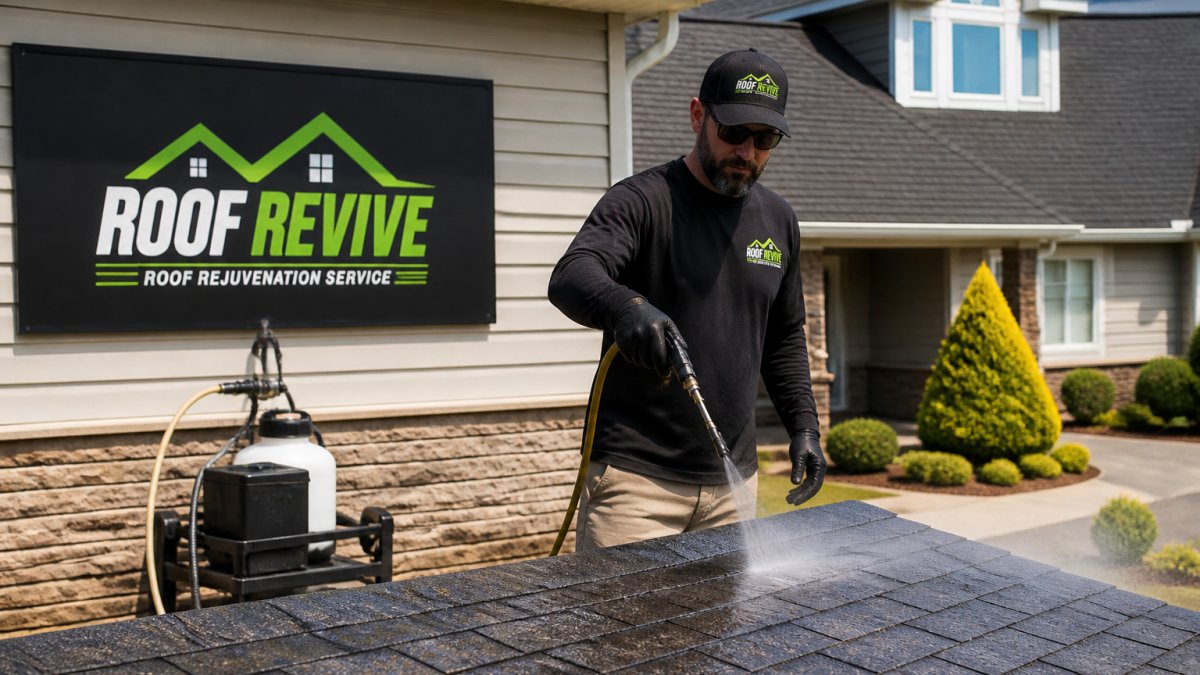
The roof rejuvenation process is straightforward and usually done in a single day. Here's how it works from start to finish.
- Inspection and assessment. We confirm the roof qualifies using photos, measurements, and a hands-on check.
- Prep and cleaning. We clear debris and make sure the surface is ready to absorb the treatment.
- Application. A specialist applies the bio-based GreenSoy™ treatment evenly across the shingles.
- Absorption. The product soaks into the shingle mat to restore lost oils and reseal granules.
- Documentation. We capture before-and-after photos and provide paperwork for your records.
The treatment is plant-derived and USDA certified. It's applied by a specialist who focuses only on roof restoration, not general contracting.
You get documented proof of maintenance, which helps when an insurance carrier asks about your roof's condition. Many homeowners find that record valuable at renewal time.
Step 7: How Long Does Roof Rejuvenation Last?
Roof rejuvenation can extend roof life by up to 18 years, depending on the roof's starting condition.
A roof already at 15 years won't always get the full benefit. The realistic gain depends on granule loss, flexibility, and how much weather exposure the roof has seen.
The treatment comes with a 6-year transferable warranty. If you sell the home, the warranty can transfer to the new owner, which adds value at resale.
Rejuvenation vs. Repair vs. Replacement
Here's how the three compare, so you can weigh your roofing options clearly.
| Option | Best For | What It Fixes | Lifespan Gained |
|---|---|---|---|
| Rejuvenation | Sound roof, aging shingles | Oil loss, granule loss | Up to 18 years |
| Repair | Localized damage | Specific leaks or shingles | Restores function only |
| Replacement | Failed or badly damaged roof | Everything, new roof | Full new service life |
Rejuvenation is the lowest-cost path when the roof still qualifies. Repair handles isolated problems. Replacement is the right call when the roof is past saving.
The U.S. Department of Energy notes that a sound roof supports home energy performance and protects the structure. Keeping a good roof in service longer is a practical, cost-saving choice.
Conclusion: Book a Free Inspection Before You Replace
Aging shingles don't always mean a full roof replacement. If your roof is structurally sound, a rejuvenation treatment can add years of service life and save you from a costly tear-off.
Roof Revive LLC offers honest assessments, a USDA certified plant-derived treatment, and a 6-year transferable warranty.
Book a free inspection with Roof Revive LLC and find out whether your roof qualifies before you spend on a replacement.
Frequently Asked Questions
How do I know if my roof qualifies for rejuvenation?
A qualifying roof is usually an asphalt shingle roof in the middle of its service life with surface-level granule loss and brittle shingles but no leaks, rot, or missing shingles. The only reliable way to know is a professional assessment. An inspector checks roof age, shingle flexibility, granule condition, flashing, and decking. Roof Revive uses satellite measurements and drones for accurate evaluations, then gives an honest yes or no. If your roof fails the checklist, you avoid spending money on a treatment that will not help.
Can you rejuvenate a 15-year-old roof?
Often, yes. A 15-year-old asphalt shingle roof is frequently in the window where rejuvenation works best: past its early years, showing oil depletion and granule loss, but not yet failing. The deciding factors are shingle condition, not age alone. If the shingles are still intact and the deck is sound, a 15-year-old roof can be a strong candidate. A professional asphalt shingle roof inspection confirms whether your specific roof qualifies before you commit.
How long does roof rejuvenation last?
Roof rejuvenation can extend roof life by up to 18 years, depending on the roof's starting condition and how well it is maintained. The treatment restores flexibility and helps granules stay in place, slowing deterioration. Roof Revive backs its work with a 6-year transferable warranty and full before-and-after documentation. Results vary by roof age, climate exposure, and ventilation, so an inspection is the only way to get a realistic estimate for your home.
Does roof rejuvenation work on asphalt shingles, and can it fix leaks?
Rejuvenation is designed specifically for asphalt shingle roofs. It restores lost oils and helps seal granules to the shingle surface, which extends service life. It is not a repair for active leaks, cracked shingles, or water damage. If your roof has leaks or missing shingles, those need repair first, and a professional assessment will tell you whether rejuvenation is appropriate. Treating a leaking roof is not recommended; fixing the underlying problem comes first.