Table of Contents
- Understand When Your Roof Really Needs Replacement
- Asphalt Shingle Roof Rejuvenation as a Cost-Effective Alternative
- Roof Repair vs. Replacement: Know the Difference
- How to Compare Roofing Estimates Fairly
- Use Insurance and Warranties to Offset Costs
- How to Pay for a New Roof Within Your Budget
- Schedule Your Project During Off-Season for Better Rates
- Frequently Asked Questions
Last Updated: October 16, 2026
Understand When Your Roof Really Needs Replacement
Not every worn-looking roof needs replacement. The key is telling cosmetic wear apart from structural failure.
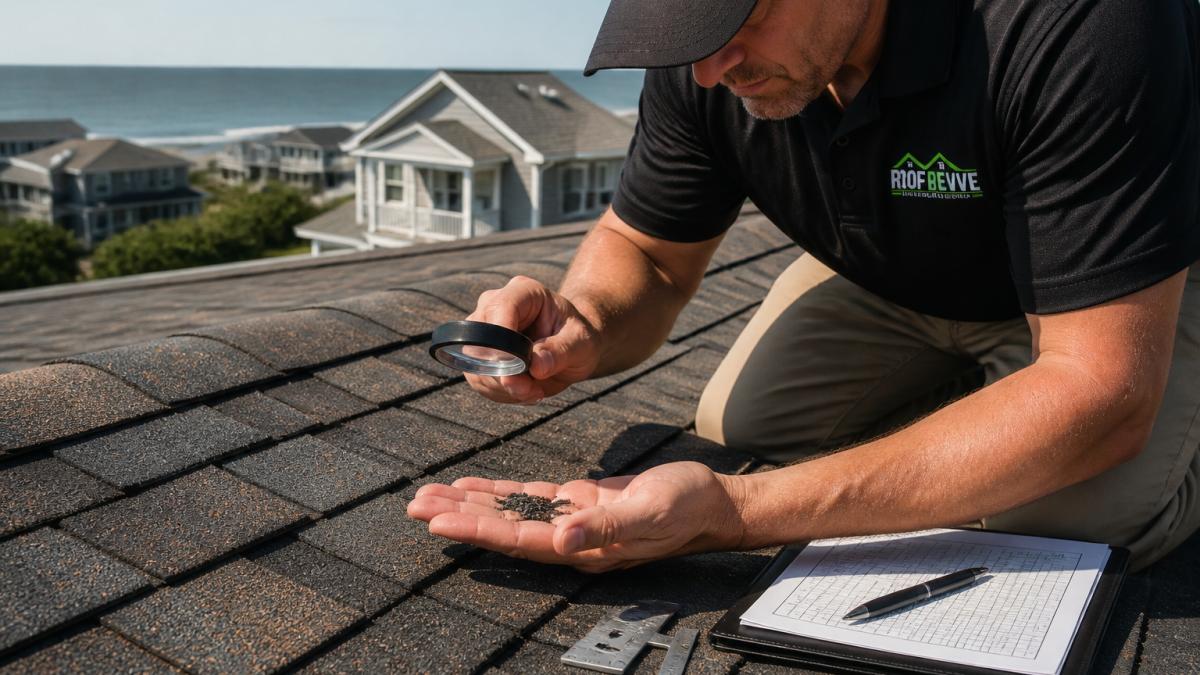
At Roof Revive, we've evaluated roofs across Delaware and southern Pa. Many homeowners receive replacement quotes when their roof doesn't truly need one yet.
Signs your roof genuinely needs replacement include:
- Active leaks inside your home
- Large sections of missing shingles
- Severe structural damage from storms
- Widespread granule loss (bare spots visible from ground level)
- Sagging or visible structural issues
If you're seeing cosmetic aging, fading color, minor granule loss, or a dull appearance, your roof may simply need restoration, not replacement.
Asphalt Shingle Roof Rejuvenation as a Cost-Effective Alternative
Roof rejuvenation restores the oils and flexibility asphalt shingles lose over time, reversing brittleness and cracking without tearing off your entire roof.
Asphalt shingles are petroleum-based. Over 10-15 years, UV exposure and weather strip away the oils that keep them flexible and waterproof.
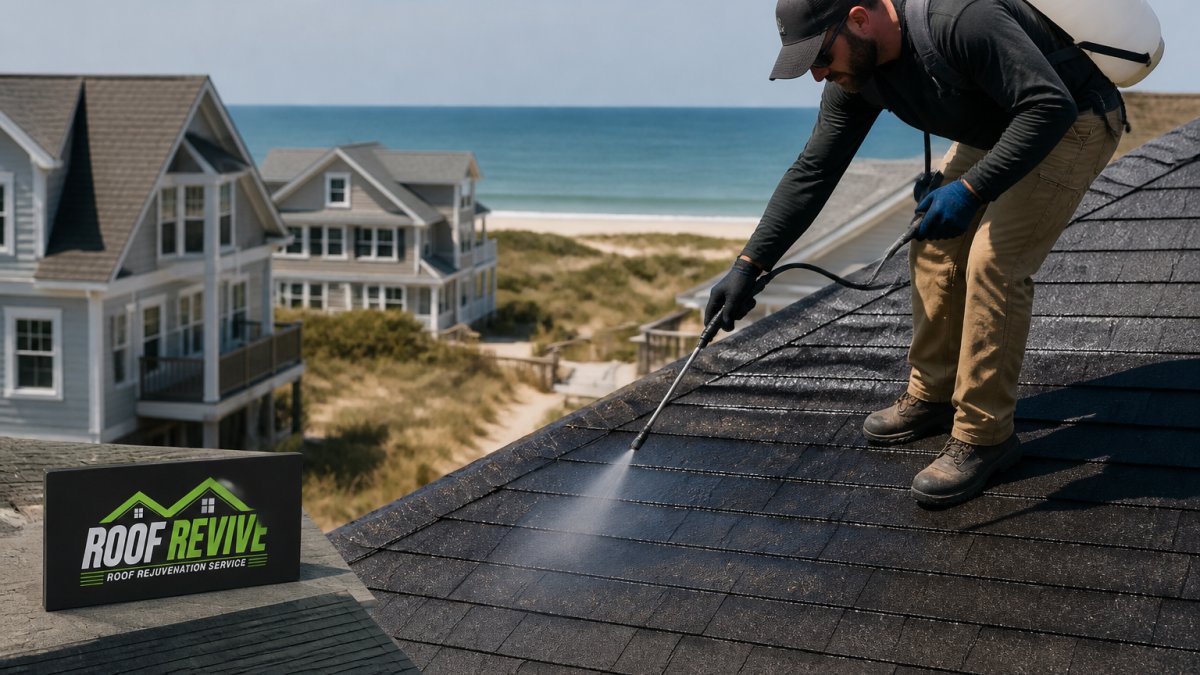
Roof Revive uses a USDA Certified plant-derived, eco-friendly treatment designed specifically for asphalt shingle restoration. The process:
- Cleans and prepares the roof surface
- Applies the bio-based rejuvenation treatment
- Seals granules to prevent further loss
- Completes in a single day with minimal disruption
This approach extends roof life by up to 18 years compared to waiting for full replacement, with documented, lab-tested results and a 6-year transferable warranty.
Roof Repair vs. Replacement: Know the Difference
Roof repair addresses specific damage: a few missing shingles, localized leaks, or storm damage to one section. Roof replacement means removing the entire roof structure and installing new materials. Repairs make sense when damage is isolated.
Replacement becomes necessary when:
- More than 25-30% of the roof surface shows damage
- The roof deck itself is compromised
- Multiple layers of old roofing exist (some areas limit this)
- The roof has reached the end of its design life
Rejuvenation sits between the two, more comprehensive than spot repair, far less invasive than replacement, and it addresses the underlying cause of aging (oil loss and granule deterioration) rather than patching visible problems.
How to Compare Roofing Estimates Fairly
When you do need work, comparing estimates properly prevents overpaying. The lowest number on the page is rarely the lowest total cost, so force every bid into the same structure.
Build an Itemized Budget First
Before you call anyone, sketch the cost buckets a full replacement quote is built from:
- Tear-off and disposal, removing existing layers and hauling them away. Scales with the number of layers; a second layer roughly doubles labor and dumpster cost.
- Decking and structural repair, replacing rotted sheathing, sistering rafters, or fixing flashing. Often a per-sheet allowance, so ask what it covers and what happens if more damage is found.
- Underlayment and ice/water shield, the waterproof membrane beneath the shingles. Cheaper bids sometimes downgrade this, a false economy in freeze-thaw climates.
- Roofing material, shingle line, weight, and warranty tier. Two bids can both say "architectural shingles" and still differ by thousands in grade.
- Ventilation components, ridge vents, intake vents, and airflow balancing. Poor ventilation shortens shingle life and can void manufacturer coverage.
- Flashing, drip edge, and pipe boots, small line items that cause most leak callbacks when skipped or reused.
- Permits and inspection fees, pulled by the contractor, not you. A bid that omits permits is cutting a corner or passing the cost back later.
- Labor and overhead, crew size, days on site, and margin. Where bids legitimately diverge most.
- Warranty and cleanup, workmanship coverage, manufacturer registration, magnetic nail sweep, and final walkthrough.
Ask the contractor to break the quote into these buckets. A contractor who cannot or will not itemize is telling you something important.
Match Scope Before You Match Price
Two estimates using different materials or labor approaches are not comparable. Ask each contractor to quote the exact same scope: same shingle line and weight, same underlayment, same layers removed, same ventilation plan, same warranty terms. Record for each bid:
- Total price and price per square (100 square feet of roof surface)
- Number of existing layers to be removed
- Shingle brand, line, and warranty tier
- Underlayment and ice/water shield product names
- Decking allowance and per-sheet price if exceeded
- Ventilation changes included
- Flashing and drip edge: new or reused
- Permits: included or homeowner-pulled
- Workmanship warranty length and transferability
- Payment schedule and deposit amount
- Estimated start date and days on site
- Cleanup and final inspection process
Read the Exclusions and Payment Terms
The cheapest-looking bid is often the one with the most exclusions. Watch for "does not include decking repair," "permits by owner," "chimney flashing not included," or "price subject to change upon inspection", each is a future change order. Payment terms matter too: a reasonable schedule ties payments to milestones. Be cautious of anyone wanting most or all of the money upfront, or cash with no receipt.
Verify Licensing, Insurance, and References
Before signing, confirm the contractor holds a current license and can produce a certificate of insurance showing general liability and workers' compensation coverage. Then get two or three local references from jobs completed in the last year and actually call them, ask whether the final invoice matched the original bid and whether any change orders appeared.
Red Flags in Estimates
- Vague descriptions ("standard shingles," "typical labor")
- No warranty information or an unwillingness to put warranty terms in writing
- Pressure to decide quickly or a "today only" discount
- Unwillingness to provide references or proof of insurance
- Prices that seem too good to be true relative to the other bids
- A bid that omits permits, decking allowance, or ventilation entirely
The cheapest estimate is not the best value. Force every bid into the same itemized structure, match scope before you match price, and read the exclusions and payment terms as carefully as the total. The bid that survives that comparison is the one worth signing.
Use Insurance and Warranties to Offset Costs
Insurance coverage and warranties reduce your out-of-pocket roof costs.
Homeowner's insurance covers roof damage from covered events: storms, wind, hail, and falling objects. Most policies don't cover wear and tear or age-related damage.
Manufacturer warranties cover material defects. Most asphalt shingles carry 15-30 year warranties against premature failure from manufacturing flaws.
Workmanship warranties cover installation quality. Reputable contractors offer 5-10 year guarantees, protecting you if leaks develop from poor installation rather than material failure.
Roof Revive provides a 6-year transferable warranty on rejuvenation treatment. That documented maintenance record helps with insurance, since carriers see proof you're maintaining your roof.
How to Pay for a New Roof Within Your Budget
Roof costs are significant, but several payment paths exist beyond cash upfront. The right choice depends on total cost over the repayment period, the fees attached, and whether your home is put at risk.
Cash
Paying cash avoids interest and fees and often gives you negotiating leverage. The trade-off is a drained emergency fund, if cash leaves you with little cushion, a partial-cash approach may be smarter.
Home Equity Loan or HELOC
A home equity loan gives you a lump sum at a fixed rate; a home equity line of credit (HELOC) works like a revolving line with a variable rate. Both typically carry the lowest rates because your home secures the debt.
The trade-offs are real: your home is collateral, so missed payments put the house at risk. Closing costs and appraisal fees may apply, HELOC rates move with the market, and lenders generally require meaningful equity and healthy credit. Compare the APR, not just the quoted rate, because the APR folds in fees.
Personal Loan
A personal loan is unsecured, so your home isn't on the line. Rates are higher than home equity products, and terms are usually shorter, higher monthly payments but less total interest. A reasonable fit when the project is modest and you'd rather not tie the debt to your home.
Contractor Financing
Many roofing companies partner with a lender to offer installment plans. The convenience is real, but the cost is often higher than a bank or credit union product, and promotional "no interest if paid in full" offers frequently carry deferred interest applied retroactively if you miss the payoff window. Ask for the APR in writing.
Insurance Claim Proceeds
If a covered event damaged your roof, your insurer's payout reduces what you need to finance. You'll still owe your deductible, and claims are typically paid in stages, an initial amount for the work, then recoverable depreciation once the job is complete. Keep every receipt and photo.
How to Compare Them Fairly
Put every option into the same four-column comparison:
- APR, the all-in annual cost of borrowing, including fees
- Fees, origination, closing, appraisal, and any prepayment penalty
- Repayment period, how long you'll pay, and whether the rate is fixed or variable
- Total cost of credit, total interest and fees over the life of the loan
A lower rate over a longer term can cost more in total than a higher rate over a shorter term. Run the numbers both ways.
A Phased Approach
Rather than rushing into replacement, consider whether rejuvenation fits your timeline and finances. Extending your roof's functional life through a documented treatment gives you time to save, improve your credit, or refinance at better terms before replacement becomes unavoidable.
Budget-conscious homeowners who want documented maintenance without major upfront costs. Rejuvenation reduces immediate financial pressure while protecting your property.
Schedule Your Project During Off-Season for Better Rates
Roofing demand follows seasons. Spring and summer bring peak activity and higher prices; fall and winter see less demand and better availability.
Scheduling during slower periods offers real advantages:
- Contractors offer better pricing to keep crews busy
- Faster scheduling and less wait time
- More attention to detail without rushing
- Better weather windows in some cases
Fall is ideal in the Mid-Atlantic: moderate temperatures, lower humidity, and more contractor availability.
For rejuvenation specifically, the treatment works in moderate temperatures, so fall scheduling ensures it cures properly while you avoid peak-season pricing. Ask contractors about their busy seasons and off-season flexibility.
How to save money on roof replacement comes down to one principle: understand your actual roof condition before committing to expensive work.
Frequently Asked Questions
Can roof rejuvenation really extend the life of asphalt shingles, or is it just a temporary fix?
Roof rejuvenation treatments restore lost oils and reseal granules on asphalt shingles, addressing the primary cause of premature aging. Lab-tested rejuvenation can extend roof life by up to 18 years when applied to structurally sound roofs. This differs from temporary cosmetic fixes, the science-backed approach targets the root cause of deterioration. However, rejuvenation works best on roofs that are still fundamentally intact; severely damaged or leaking roofs require replacement instead.
How do I know if my roof qualifies for rejuvenation instead of full replacement?
A professional roof inspection is essential. Licensed inspectors use satellite measurements and drone surveys to assess structural integrity, granule loss, and flexibility. If your roof is still watertight, has no major leaks, and shows age-related deterioration rather than storm damage or structural failure, rejuvenation may be viable. Many homeowners with roofs 8-15 years old find rejuvenation extends their roof's life significantly. An honest evaluation from a specialist will determine whether your roof qualifies.
What's the fairest way to compare roofing estimates from different contractors?
Request detailed, itemized quotes that break down labor costs, materials, and the scope of work separately. Ensure all estimates specify the same roofing materials, whether a tear-off or overlay is included, and what warranties are provided. Ask each contractor about their experience, licensing, and insurance. Compare the total project timeline and warranty terms, not just the bottom-line price. Red flags include unusually low bids, vague descriptions, or pressure to decide immediately.
How can I use my homeowner's insurance to reduce out-of-pocket roof replacement costs?
File a claim if your roof damage qualifies under your policy, storm damage, hail, or wind often trigger coverage. Review your deductible; you'll pay this amount before insurance covers the rest. Document all damage with photos and maintain records of repairs and maintenance to support your claim. Some insurers offer replacement cost coverage, which pays the full replacement amount rather than depreciated value. Discuss your specific policy with your insurance agent to understand your coverage limits and eligibility.